
Greetings to all fellow seekers of healing and self-discovery!
Picture a child on a bike, free-wheeling down a forest trail in July. Sun breaking through the canopy in gold flashes. Wind on his face. That resin-sweet smell of pine warming in the afternoon heat, mixing with dust and the sound of his own laughter. No destination, no clock, just the pure aliveness of being outside, alone with the trees and utterly free.
That child is still somewhere inside me. And nature has been my biggest resource ever since.
Since I Was Five
When I was five years old, my parents moved our family - me and my brother included - to a house at the edge of the forest. That's where I grew up, with a view of the trees from nearly every window. I watched them shed and bud, darken and blaze, go bare and fill in again - four seasons on repeat, like a slow breath the whole forest was taking together. Every single time I felt disconnected - from myself, from joy, from my own energy - nature was the thing that brought me back. Not as a metaphor. Literally: a walk outside, hands in soil, eyes on the horizon, and something in me would recalibrate.
On my spiritual journey, that closeness never left. So when I was in India in 2008 and it came time to receive a new name, there was really only one direction it could go. I took the name Nisarga - Sanskrit for nature. Not because I wanted to romanticize the natural world, but because it had already, quietly, become the ground I stood on.
Now: Lesvos
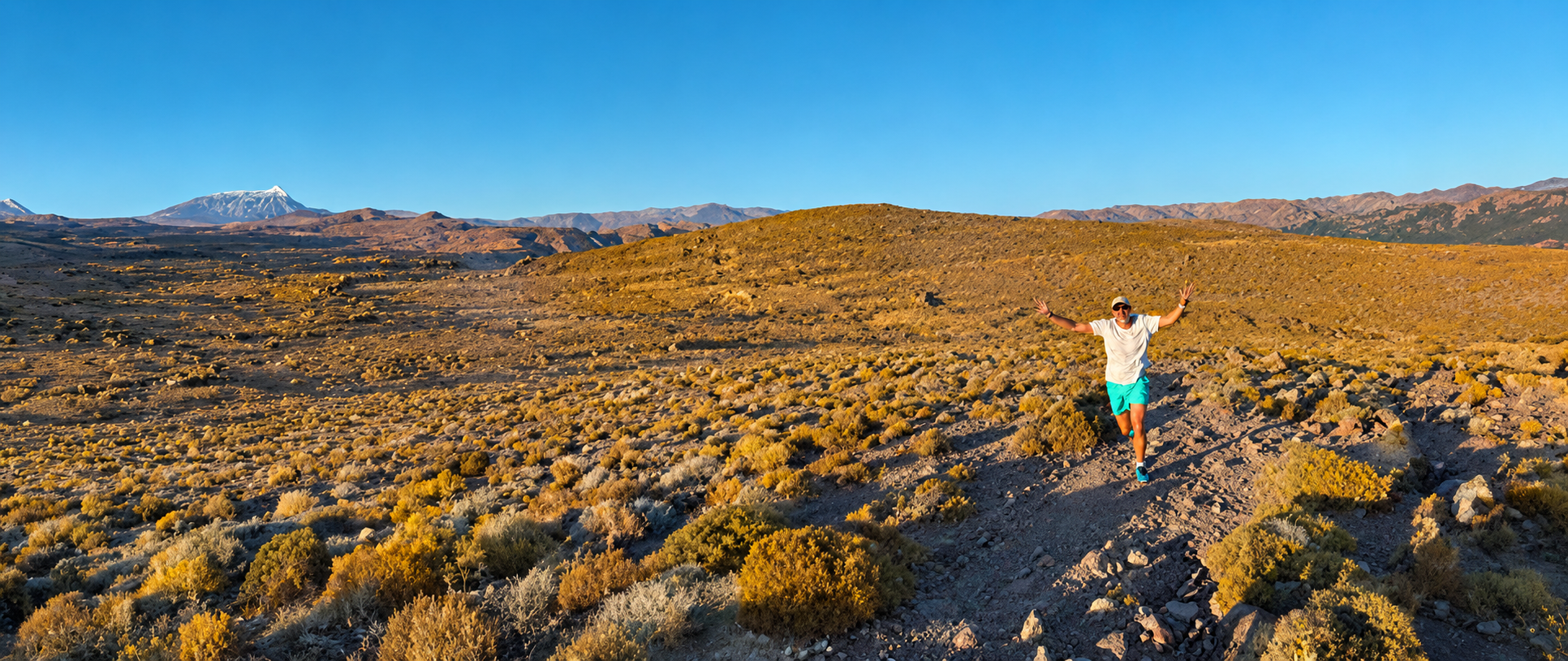
These days I live on Lesvos, a Greek island that feels like paradise for exactly this reason - I can be outdoors almost every day of the year. Dancing under open sky. Swimming in the sea. Running the coastal paths. Walking for the simple pleasure of walking. Working the soil in the garden, hands dirty, sun on my back. This isn't leisure time squeezed in around "real life." This closeness to nature is my life, and I believe it's what gives us - allof us - more purpose, more joy, and very possibly more years.
NatureIs Never Still
Here's something worth sitting with: nature is never static. Rivers move. Leaves turn. Tides pull in and out. Everything alive is oscillating, breathing, cycling. And I think that's exactly why the practices that heal us most also involve rhythm and movement rather than force or control. Take something as simple as coherent breathing - inhaling for 5.5 seconds, exhaling for 5.5 seconds. It sounds almost too small to matter, and yet this precise, unhurried rhythm is one of the most well-studied tools we have for calming the nervous system. At around 5.5 breaths per minute, your breath, your blood pressure rhythm, and your heartbeat all fall into phase - a state researchers literally call resonance. It shifts the body out of stress and into repair; studies have shown measurable improvements in heart rate variability, stress hormones, and even cognitive performance after just weeks of practice.I don't think it's a coincidence that the rhythm which best regulates us is slow, cyclical, and steady - the same qualities that define a forest, an ocean, a season. When we breathe like this, we're not inventing a hack. We're remembering a rhythm nature has been running the whole time.
The Science Is Catching Up
I first heard Dr. Zach Bush talk about this in an interview on The Joe Rogan Experience. Bush - a physician triple board-certified in internal medicine, endocrinology, and hospice care - has spent much of his career making the case, backed by research, that human health cannot be separated from our connection to the natural world. He points out that practices like forest bathing measurably shift the nervous system out of sympathetic "fight or flight" overdrive and into parasympathetic healing - which is part of whyJapan now prescribes time in forests as a first-line treatment for depression.
There search on natural light exposure tells a similar story. A well-known study out of the University of Colorado Boulder found that just one week of camping - with no artificial light after dark - was enough to fully re-sync people's internal circadian clocks to the rhythm of sunrise and sunset. A follow-up study found that even a single weekend outdoors shifted people's melatonin timing significantly. Our bodies, it turns out, are still listening for nature's signals, even when we've stopped sending them ours.
An Ancient Knowing
Long before any of this had a study attached to it, cultures around the world already knew it in their bones. In Hawaiian tradition, nature isn't a backdrop - it's the main character. The prayers, the hula, the mele (songs) are woven directly from the land, the ocean, the wind, the volcano; they tell the story of a culture whose identity is inseparable from - and deeply grateful to - the natural world that sustains it. That's not folklore for its own sake. It's a technology of reverence, refined over generations, for staying in right relationship with the thing that keeps you alive.
Coming Home
Whether it's a child free on his bike in a forest, an islander swimming in the sea each morning, or ten slow breaths timed to nature's own rhythm - the invitation is the same. Go outside. Move. Breathe. Let the trees, the wind, the water do what they've always done for us, long before we had language for it.
Nature was never just scenery for me. It's medicine. It's memory. It's home.
Nisarga Eryk Dobosz is an internationally recognized therapist and trainer specializing in Myofascial Energetic Release (MER®), Biodynamic Breathwork & Trauma Release, and somatic healing. He works with clients and trains practitioners worldwide.


