
Greetings to all fellow seekers of healing and self-discovery!
Trauma doesn't always end with the person who experiences it. It can echo through families, shaping behaviors, emotions, and even physical responses in ways that feel inexplicable until we look closer. Generational - or intergenerational - trauma refers to the transmission of trauma's effects from one generation to the next, often without direct storytelling. This inheritance isn't just psychological; it lives in the body, wired into the nervous system, postures, breathing patterns, and muscle tensions passed down through learned adaptations, parenting styles, and emerging research on epigenetics.
The good news? While trauma can be inherited, so can healing. Somatic practices - body-centered approaches - and intentional breathwork offer powerful tools to interrupt these cycles, release stored patterns, and foster freedom not only for yourself but for your lineage. By working directly with the body, we signal safety to the nervous system, rewrite old survival codes, and create space for new possibilities.
How Trauma Passes Down Through the Body
Trauma imprints on the nervous system when overwhelming experiences overwhelm our capacity to process them fully. The autonomic nervous system - responsible for fight, flight, freeze, or fawn responses - can get stuck in hypervigilance or shutdown. This shows up somatically as:
• Chronic muscle tension and holding patterns - Shoulders hunched forward, jaw clenched, or a constant bracing in the torso as if anticipating threat.
• Breath holding or shallow breathing - Many people unconsciously restrict their breath during stress, a freeze response that limits oxygen flow and keeps the body in survival mode.
• Postural adaptations - Rigid spines, collapsed chests, or guarded movements that mirror a parent's hypervigilance or dissociation. These aren't random; they're adaptive. A parent who survived war, abuse, poverty, or loss might develop these patterns for protection. Children absorb them through mirror neurons, co-regulation (or lack thereof), and daily observation - learning to breathe shallowly, hold tension, or scan for danger without words ever being spoken. Epigenetics adds another layer: Extreme stress can alter gene expression (without changing DNA sequences) through mechanisms like DNA methylation, influencing stress hormone regulation (e.g., cortisol pathways). Studies on Holocaust survivors and their descendants show changes in genes related to stress response, increasing vulnerability to anxiety, PTSD-like symptoms, or heightened reactivity - even in those who never experienced the original trauma. The body "remembers" at a cellular level, passing survival blueprints forward.
The Role of the Nervous System in Intergenerational Patterns
The autonomic nervous system becomes a carrier: A dysregulated parent may struggle with attunement, leading to inconsistent
co-regulation for the child. Overtime, this wires the off spring's nervous system toward similar states - hyperarousal (anxiety, restlessness) or hypoarousal (numbness, depression). Breath becomes restricted, postures defensive, and movements limited, perpetuating the cycle. Yet the nervous system is plastic. Through somatic awareness, we can gently interrupt these inherited defaults, restoring ventral vagal safety (the "social engagement" state) and allowing the body to complete unfinished stress responses.
Somatic Tools to Break the Cycle: Mindful Movement and Compassionate Witnessing
Somatic practices meet trauma where it lives - in the body - rather than just talking about it. Key approaches include:
• Mindful movement - Gentle, intentional practices like myofascial unwinding yoga, somatic experiencing-inspired tracking, or slow shaking help discharge frozen energy. Trembling or "neurogenic tremors" (as in Trauma Releasing Exercises) allow the body to release stored fight/flight without overwhelm.
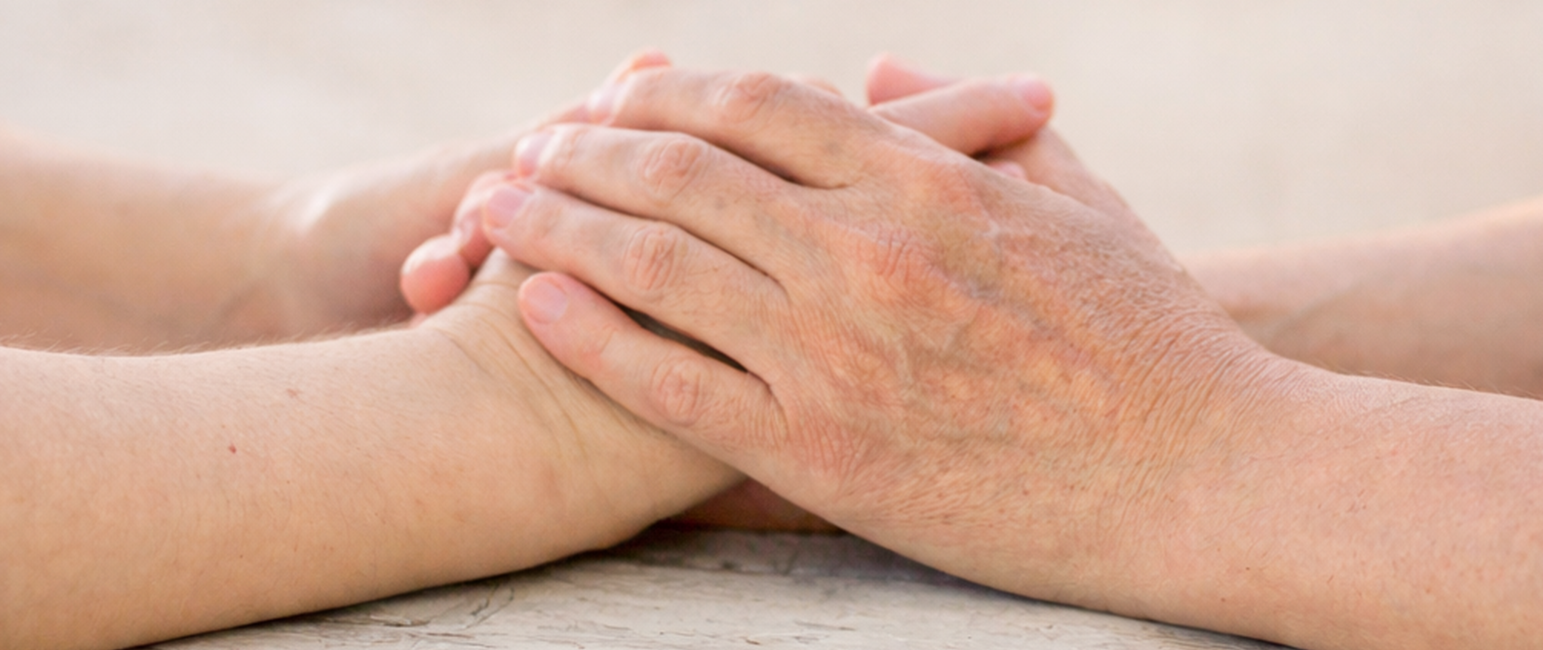
• Compassionate witnessing - In therapy or self-practice, you observe sensations (tightness, heat, tingling) with curiosity and kindness, no judgment. This builds internal safety, signaling to the nervous system: "You're not alone; this is witnessed."
• Grounding and orienting - Feet on the floor, noticing support beneath you, slowly scanning the environment - these anchor you in the present, countering inherited hypervigilance. These tools help unwind postural armoring, soften chronic holding, and restore fluid movement - literally reshaping how trauma lives in the body.
Breathwork: The Bridge to Release and Regulation
Breath is a direct gateway to the nervous system. Trauma often manifests as shallow, chest-dominated, or held breath - patterns inherited from ancestors who needed to stay quiet or alert.
Conscious breathwork counters this by:
• Activating the parasympathetic "rest and digest" mode through slow, diaphragmatic breathing.
• Releasing stored emotions as deeper breaths create space for feelings to surface and move.
• Resetting the vagus nerve, improving heart rate variability and overall resilience.
Effective techniques for intergenerational healing include:
• Diaphragmatic or belly breathing - Place a hand on your belly; inhale to expand it, exhale slowly. This counters shallow patterns and invites safety.
• 4-7-8 breathing - Inhale for 4, hold for 7, exhale for 8 - calms hyperarousal quickly.
• Somatic or biodynamic breathwork - Combines breath with movement, sound, and emotion release; sessions can unearth generational grief or anger held in tissues.
• Coherent breathing (5-6 breaths per minute) - Regulates the autonomic system, reducing inherited stress reactivity over time.
Start gently - 5-10 minutes daily - and notice shifts in posture, ease of breath, and emotional availability.
Fostering Intergenerational Freedom
Healing your own body sends ripples backward and forward. When you regulate your nervous system, you model safety for children or future generations. You break the unconscious transmission of tension, fear, or shutdown. Many report feeling lighter, more present, and able to parent or relate differently - offering the co-regulation their lineage may have lacked.
This work isn't about erasing the past but honoring survival while choosing something new. As Bessel van der Kolk notes, "The body keeps the score" - but it can also learn new rhythms.
If generational patterns feel heavy, seek a somatic therapist (Somatic Experiencing, Sensorimotor Psychotherapy) or Biodynamic Breathwork facilitator trained in trauma. You're not just healing yourself; you're liberating your lineage.
In every conscious breath, every gentle movement, every moment of witnessing - youre write the story. Freedom becomes inheritable too.
With heartfelt compassion and dedication,
Nisarga Eryk Dobosz - BBTRS, BCST, CI, MER, LOMI, NARM


